






Portrait Painting: From Classical to Contemporary (Cahir Arts)
€420.00
Learn the styles and techniques of portrait painting as it evolved from the 18th century to the present day.
STUDIO PAINTING COURSE AT CAHIR ARTS
Registration Now Open. Limited Places. Book Early.
| Dates | 3rd February – 5th May 2026 |
| Duration | 12 weeks (with two one-week breaks at Mid-Term and Easter) |
| Time | Tuesdays 7 – 9pm |
| Format | Physical Studio Course |
| Venue | Cahir Arts, Castle Street, Cahir, Co. Tipperary, Ireland See on Google Maps |
| Medium | Oil Paint |
| Level | All Levels |
| Price | € 420 |
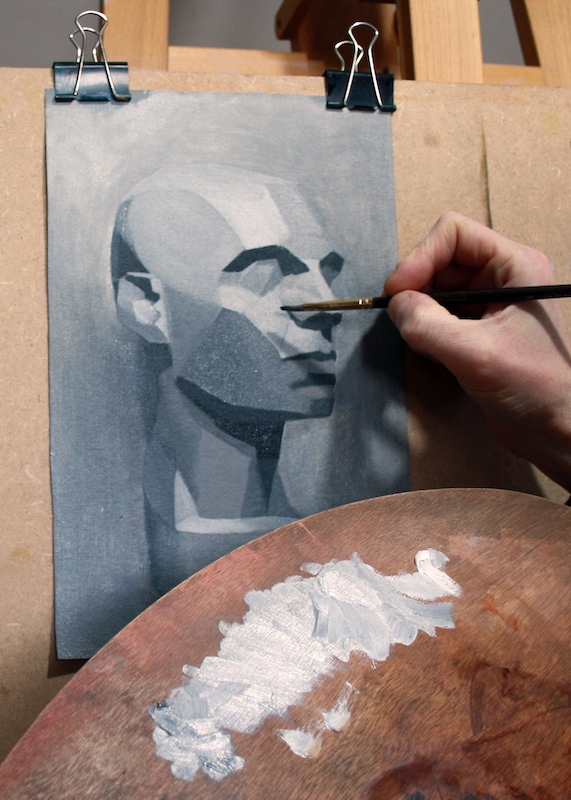
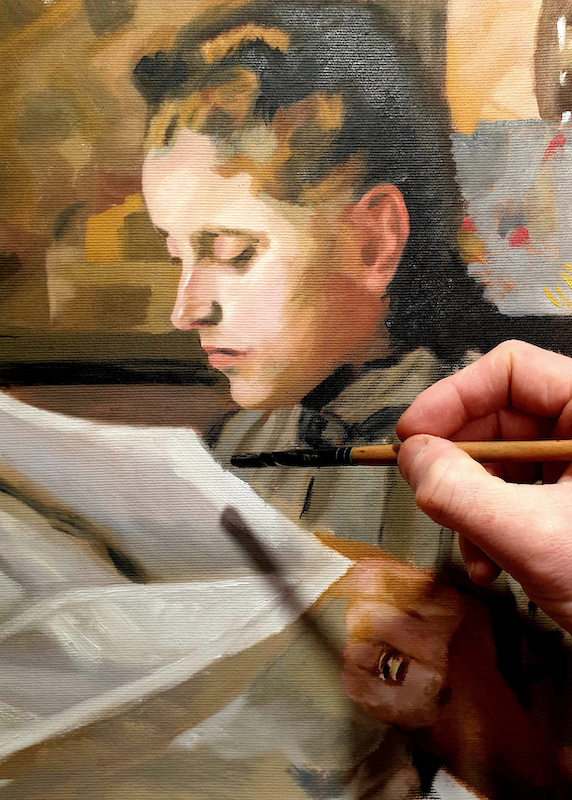
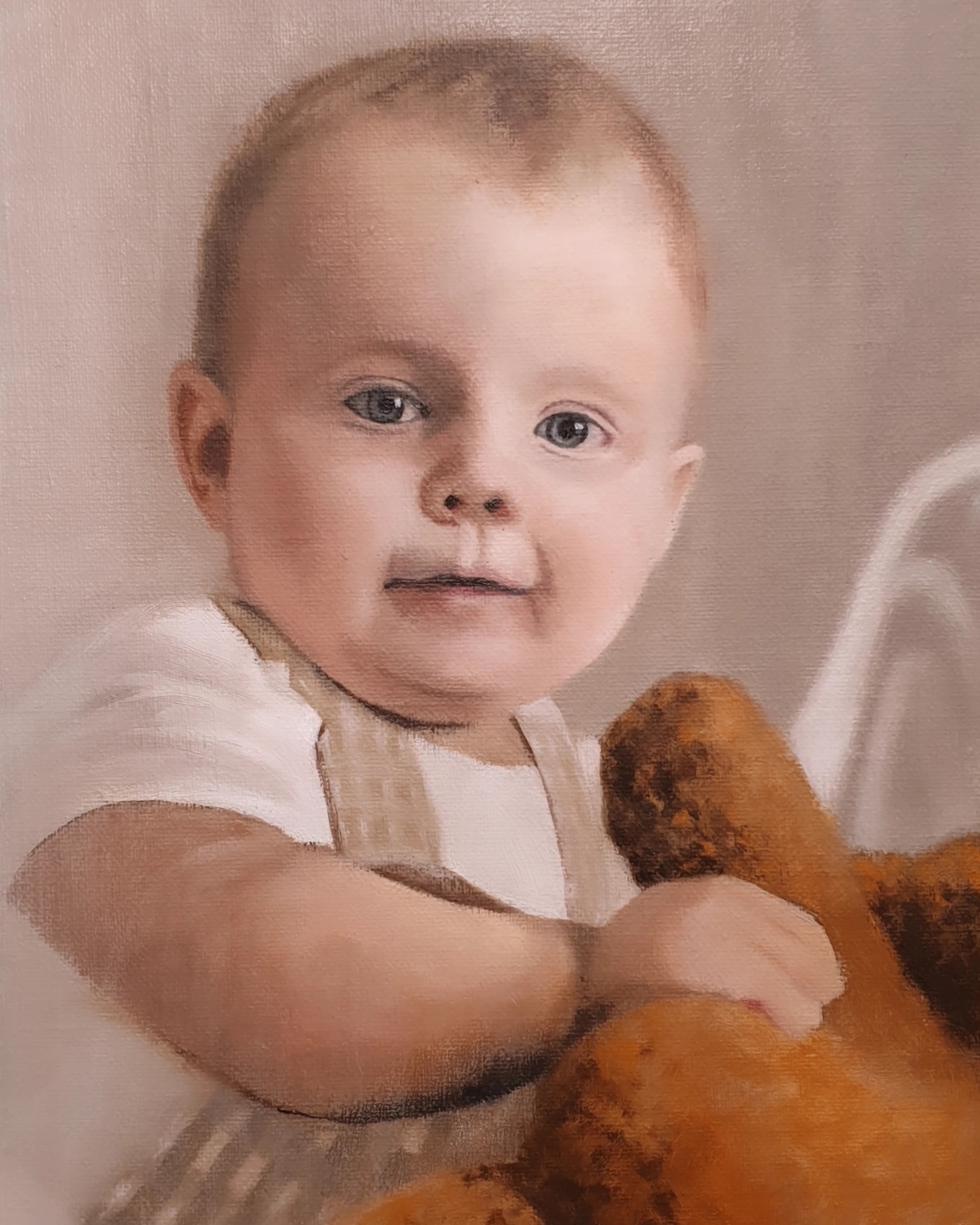
This course provides a definitive guide to portrait painting in oils, and teaches you two different approaches that also reflect how and why portraiture has evolved from the past to the present.
Portrait painting today falls into two different art worlds:
- Fine art painting, which follows the academic tradition and can be traced back to the 18th century (and earlier). In this tradition, the portrait is rendered realistically in terms of colour, light, proportions, form, and likeness.
- Contemporary painting, which dispenses with the need to accurately depict the sitter and instead tries to represent psychological and metaphorical aspects using a range of expressive techniques including colour and the abstraction of different pictorial elements.
To begin with, you will be shown the fundamental structure of the portrait – proportions and forms of the face and head, the role of light and shadow, how to paint skin tones and hair, and how to achieve a likeness of the sitter. This will enable you to paint realistically, and from this point, you will be able to abstract and manipulate these elements with real artistry and intent.
All of the portrait paintings you do on this course will be original, and you will be shown examples and detailed working methods of many portrait artists including: Sir Joshua Reynolds, Francisco Goya, Jacques-Louis David, John Singer Sargent, Pierre-Auguste Renoir, Ilya Repin, Valentin Serov, Vincent Van Gogh, Pablo Picasso, Lucian Freud and many others.
See full description, course dates, what’s included, what’s required, and other important information in the tabbed sections below.
In stock
We begin by looking at neoclassical portrait styles and conventions of the 18th and 19th centuries, and the tradition of classical or academic portraiture which still holds a place today in the fine art world by the so-called ‘New Masters’. These portraits prioritise the realistic depiction of three-dimensional form, natural colour and light, achieving likeness of the sitter, and conveying character and mood.
The evolution of the portrait through the 19th century (and in different countries) into the 20th and 21st centuries will be explained and demonstrated by showing examples and differences in technique. Portraits by Vincent Van Gogh, John Singer Sargent, Lucian Freud, Pablo Picasso will show you how the portrait began to shift in style and function.
Facial Features
Although alla prima painting focuses more on shape, size, placement, light and colour rather than the detailed make-up and understanding of each form, we will look at each individual facial feature: the eyes, the nose, the mouth or lips, the ears, and hair. The structure and anatomy of these features, common painting errors and misjudgements, and lots of practised examples will combine to give you a comprehensive guide.
Measurement, Proportion & Perspective
The more accurate we are in our painting – or true to nature – the more realistic and believable our portrait paintings will be. Developing good measuring skills is therefore essential. Measuring does not just relate to height, width, outline, and proportion; it also includes measuring a cast shadow, for instance, or where the highlight is, which then affects how we interpret the fall of light and the forms of the face and head.
Colour Strategies
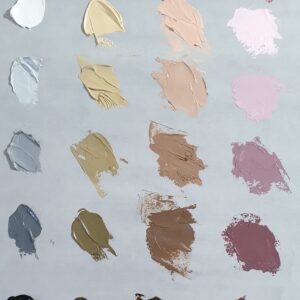
We will examine colour theory and how it can help us choose and organise our palettes and mix colours effectively. A sound understanding of colour and colour mixing will enable you to find the right colour(s) quickly and relatively easily. You will learn about a number of different standard palettes.
Transcending the Photo Reference & Painting from Life
Using photographs as a reference for a painting is something that most artists do. However, we must try to transcend the photograph and use it as a reference only, rather than merely copying it, thus avoiding many of the common pitfalls that artists face when working this way.
Dates
Please see course dates below:
Week 1 3rd February 2026
Week 2 10th February
Week 3 17th February
Week 4 24th February
Break 3rd March (Mid-Term)
Week 5 10th March
Week 6 17th March
Week 7 24th March
Week 8 31st March
Break 7th April (Easter)
Week 9 14th April
Week 10 21st April
Week 11 28th April
Week 12 5th May 2026
Features
What you’ll get on this course:
- 24 hours of art instruction
- Access to online class recordings should you miss a studio class
- Basic materials including canvas
- Live demonstrations
- Weekly correspondence by email – Q&A, feedback and critique
- Access to detailed written notes and video recordings in the student area of my website
- Reference images
Requirements
For this course, you will need the following:
- Painting materials and equipment – please download materials list PDF below.
Terms & Conditions
Please read carefully before enrolling and paying for this course. By paying for this course you are agreeing to the terms and conditions below:
OIL PAINTS
Oil paints, solvents and mediums (such as mineral spirits, turpentine and linseed oil) will be used on this course, and these have a small and safe degree of toxicity but can emit strong fumes, which may cause headaches, drowsiness and skin irritations.
FEES, CANCELLATIONS & REFUNDS
Fees are non-refundable and non-transferrable. Adrian Cooke Artist reserves the right to cancel this course at any time if the minimum number of students required is not reached. In such cases, your fee will be fully refunded.
Reviews
This is just the sort of painting course I have been looking for. Never having had a proper lesson, I have been painting with limited success for more than 30 years. This course provides a very clear methodical approach, good sample pictures for copying, patient explanation and all delivered in a pleasant atmosphere. I highly recommend it.
– Jimmy
As someone who has never painted, I’m finding this course excellent. The class is in a relaxed, friendly atmosphere, and the instruction is second to none. Highly recommended.
– Stuart
Related products

Online Courses
Ebooks


Workshops Abroad
Online Courses